Table of Contents:
Are We Preparing Our Kids for a World Run by Machines?
Video created using pictory.ai:
Audio clip created using Google NotebookLM:
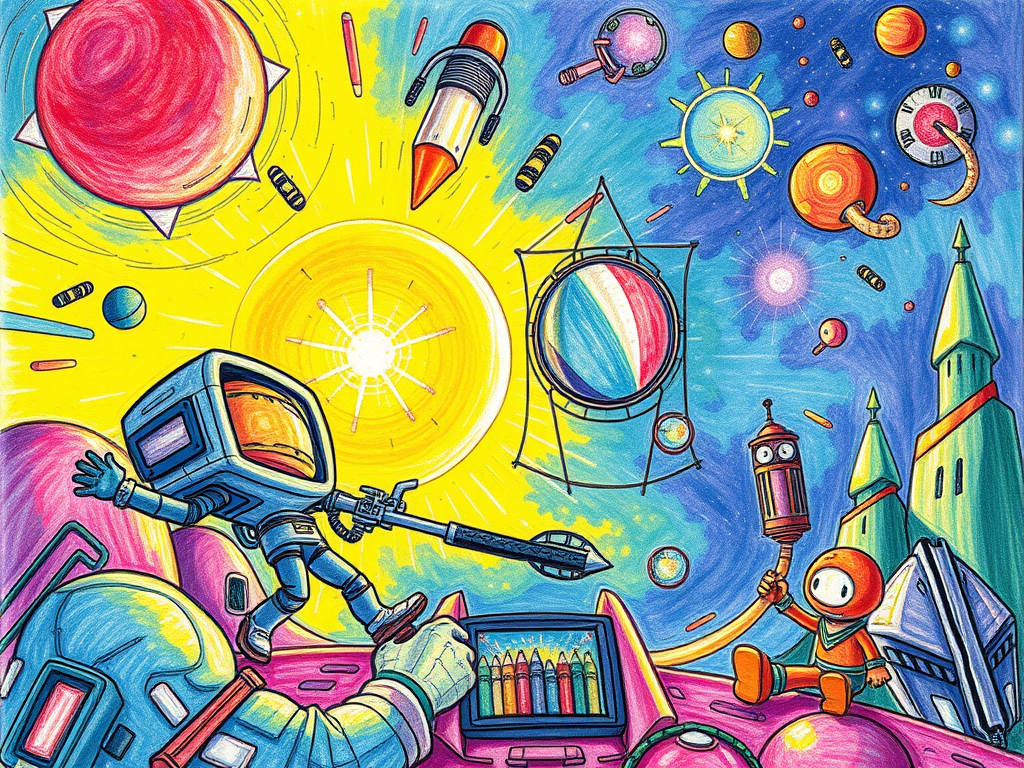
For those of us born before the internet existed—do you remember the extracurricular activities you loved growing up? Maybe you sketched the future with crayons: flying cars, robot helpers, or machines doing all the work. I certainly did. I remember walking home on hot summer days, dreaming of riding in a driverless car. Back then, it felt like pure science fiction.
But today, that dream is real. Electric and self-driving cars are no longer futuristic—they’re here. We’re living in a time when technology is advancing faster than ever, and machines are doing tasks once handled only by humans. From voice assistants to automated checkouts, our kids are growing up surrounded by machines that learn and adapt at lightning speed.
It’s exciting—but also a little unsettling. As machines become smarter and more capable, the line between human and machine work continues to blur. The question is: Are we preparing our kids for this shift? Are we giving them the tools to not just survive—but thrive—in a future where adaptability, creativity, and tech fluency will matter more than ever?
Now that it’s clear our future will be shaped by AI and robotics, it’s time to guide our kids along a growth path that equips them to build adaptable minds, ethical awareness, and tech fluency, without overwhelming them. Here’s a clear, balanced roadmap that blends practical skills with big-picture thinking:
🧠 1. Foster Curiosity and Problem-Solving

They say curiosity is the mother of all invention and it’s TRUE. Many of the world’s greatest breakthroughs came from curious minds that noticed problems and couldn’t rest until they found solutions. If we want to raise the next generation of innovators, we need to nurture that same spark in our children.
Here are a few ways to foster curiosity and problem solving skills in young minds:
- Encourage questions: Don’t just give answers—ask “What do you think?” and let kids explore their ideas. Questions that begin with who, what, where, when, why, and how are essential for building curiosity. But it’s not just about asking—help them learn how to find and think through the answers too. When kids understand the power of both questioning and seeking answers, they become better problem-solvers, decision-makers, and learners—ready to take on whatever the future brings. Books have long been a person’s best friend, and in today’s world, the internet joins them as a powerful tool to spark curiosity and help kids explore answers on their own.
- Play logic games: Board games like Sudoku, chess, and other strategy-based games are a fun and effective way to build structured thinking, sharpen logic, and strengthen problem-solving skills in kids.
- Tinker freely: Letting kids safely take apart old gadgets or build from scraps encourages curiosity, as it pushes them to think logically, solve problems creatively, and explore how things work without relying on step-by-step instructions.
💻2. Introduce Coding Early (but Playfully)

Introducing coding at an early age is a great way to develop logical thinking. In today’s fast-changing world, there are plenty of age-appropriate tools and community resources to help kids start as early as six. The goal isn’t just to learn code but it’s to understand how to think step by step and write algorithms to solve any problem or complete any task.
Here are some tips on how you can introduce coding:
- Start with visual platforms:
- Use robots they can program: LEGO Mindstorms, Dash, or Bot make code feel real.
- Join coding clubs: Look for afterschool or online communities (like Girls Who Code or FIRST Robotics).
✏️3. Balance STEM with Creativity
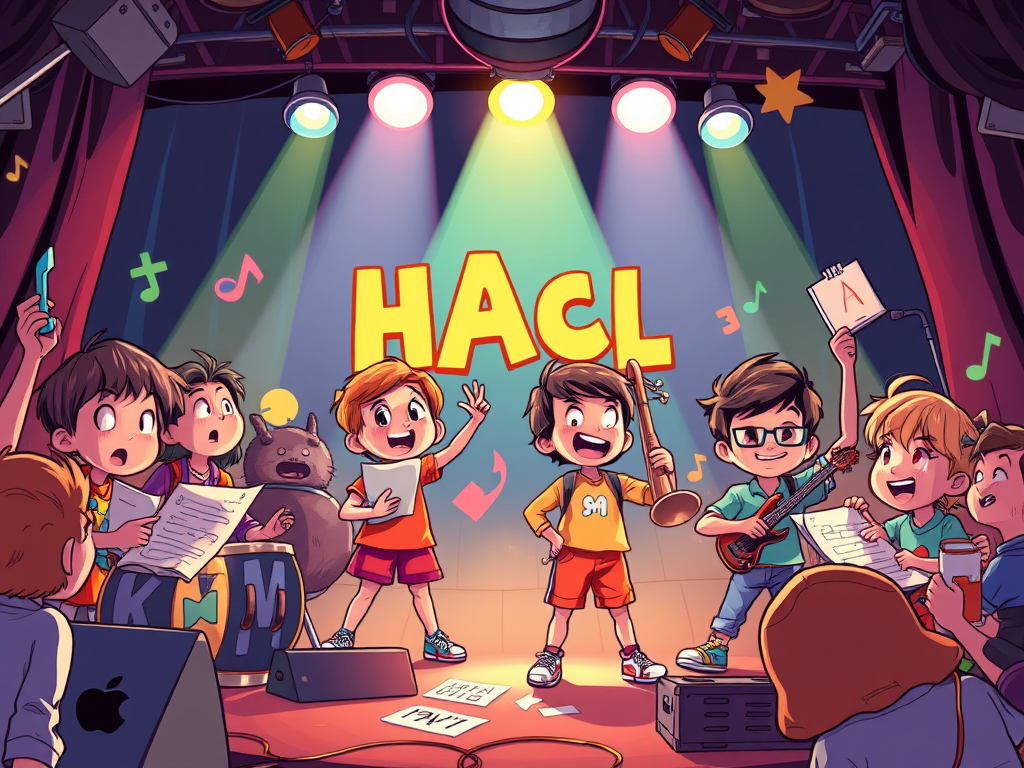
- AI can do math but can it do human imagination? The answer is NO. Human creativity drives innovation and empathy, something that AI cannot replicate (for now). Nurturing imagination is essential for developing technical and problem-solving skills. While AI can handle many tasks, humans must keep doing what they do best: stay curious.
- There are many ways to generate creative skills. Encourage kids in the following areas:
- Writing stories, comics, or songs
- Drawing, designing, building imaginary worlds
- Drama, music, or dance. These help build empathy and expression and best therapy for all the chaos going around in the world.
🧭 4. Teach Digital Responsibility
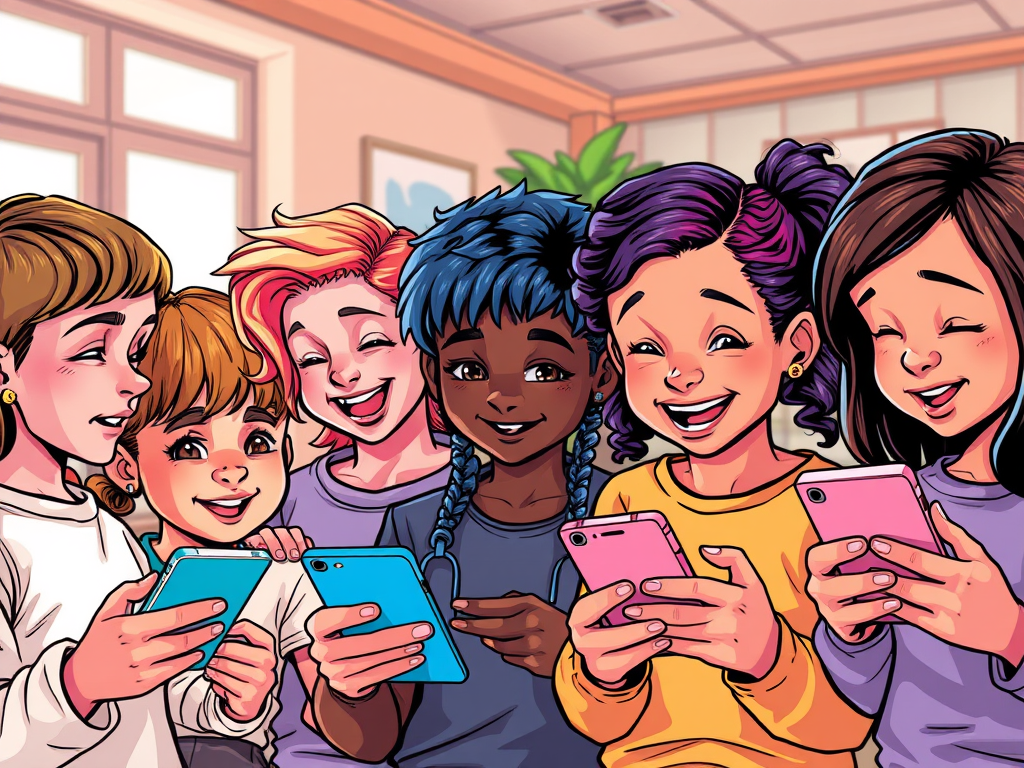
Social media has come a long way and offers plenty of benefits, but it also comes with risks that kids need to understand. That’s why teaching them to use it responsibly is so important. It’s not just a job for parents, but also for teachers and the whole community.
- Help them understand:
- What’s real vs. AI-generated (deepfakes, fake news).
- How to protect their data and privacy
- Why kindness and ethics matter, even in tech
🔧 5. Model Lifelong Learning

As our kids dive into the world of AI and robotics, is our job as parents done? Can we sit back and relax while they’re busy learning to code and exploring AI?
Absolutely not! In fact, this is just the beginning. We need to learn alongside them. Staying curious and engaged shows our kids that learning never stops—no matter how old you are. When they see us exploring new ideas, asking questions, and even stumbling a bit, it sends a strong message: growth is lifelong.
Here are some ways we can work and grow together with our kids:
- Be a learning partner. Pick an AI topic and explore it together. Watch a documentary, try out a beginner tutorial, or experiment with a simple AI tool. It’s a fun and meaningful way to bond.
- Model curiosity. Let them see you wondering out loud, asking questions, and diving into new concepts.
- Normalize mistakes. When they see you try, fail, and try again, they learn that mistakes aren’t setbacks but are stepping stones towards success.
This not only strengthens the bond between parent and child, but also builds the child’s confidence and self-esteem—both of which are essential for navigating the future.
Conclusion:

Now that we know the world is rapidly evolving with AI at its core, we must rethink how we raise our kids. As Charles Darwin wisely said, “It is not the strongest of the species that survives, nor the most intelligent, but the one most responsive to change.” To prepare our children for the future, we too must be willing to change—adapting our parenting, teaching, and mindset to help them thrive in a world that’s constantly shifting. The journey from crayon to code is amazing and full of adventures. As our children grow from curious explorers into creative problem-solvers, it’s up to us to walk beside them—encouraging imagination, building resilience, and embracing change. Together, we can prepare them not just to live in a world shaped by AI, but to lead it with heart, curiosity, and most importantly PURPOSE.

 Tea & Talk